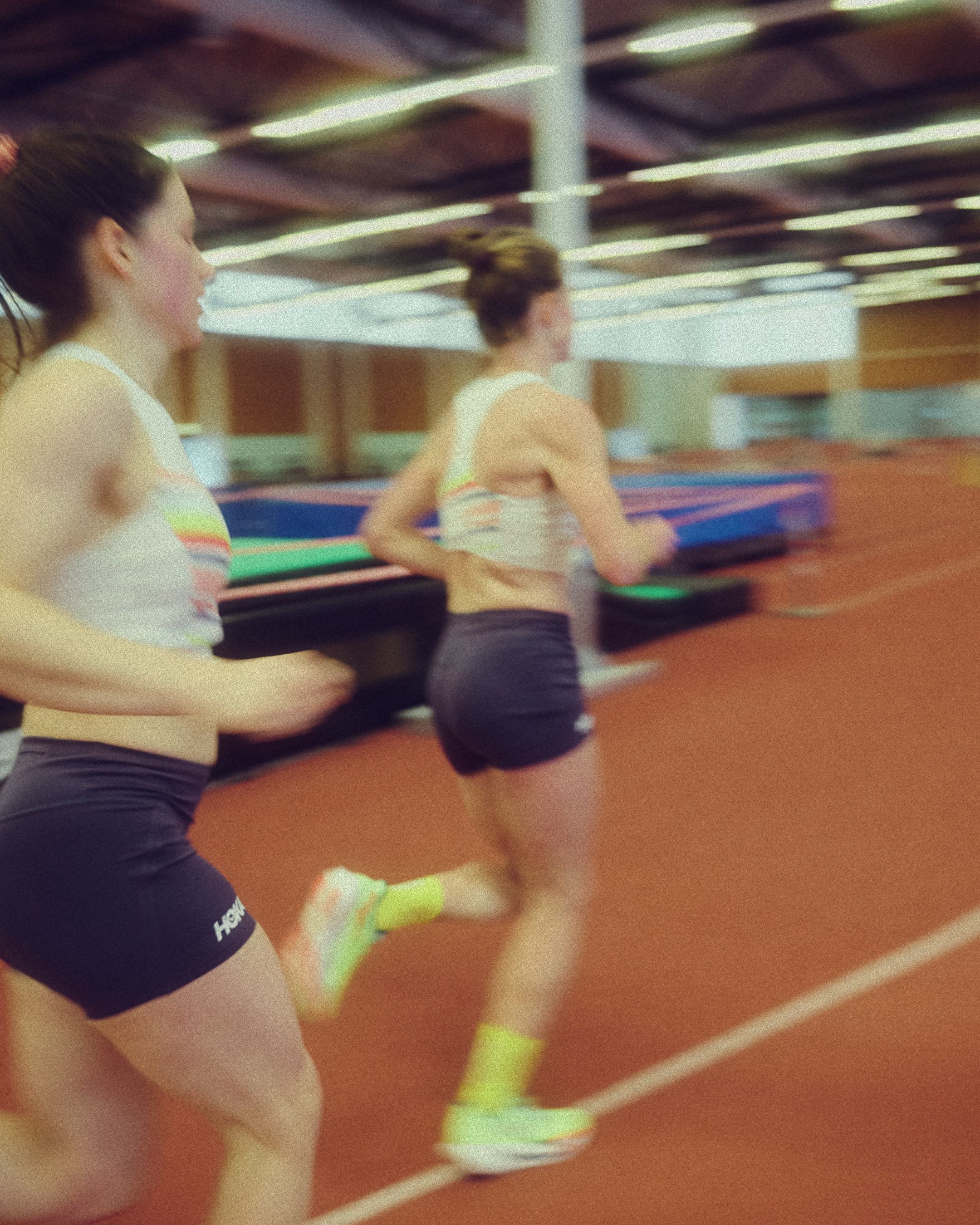
Berlin: Where Flow Becomes Structure
Within Berlin’s HOKA PB Protocol collective, speed is treated less like a burst and more like a system—measured, repeatable, exact. In a city known for its relentless tempo and raw edges, this group is carving out a different path: one rooted in looseness and control. Anchored at the historic Sportforum, the DACH crew is redefining performance, showing that chasing a Personal Best is not about tension, but about unlocking a precise and sustainable rhythm.
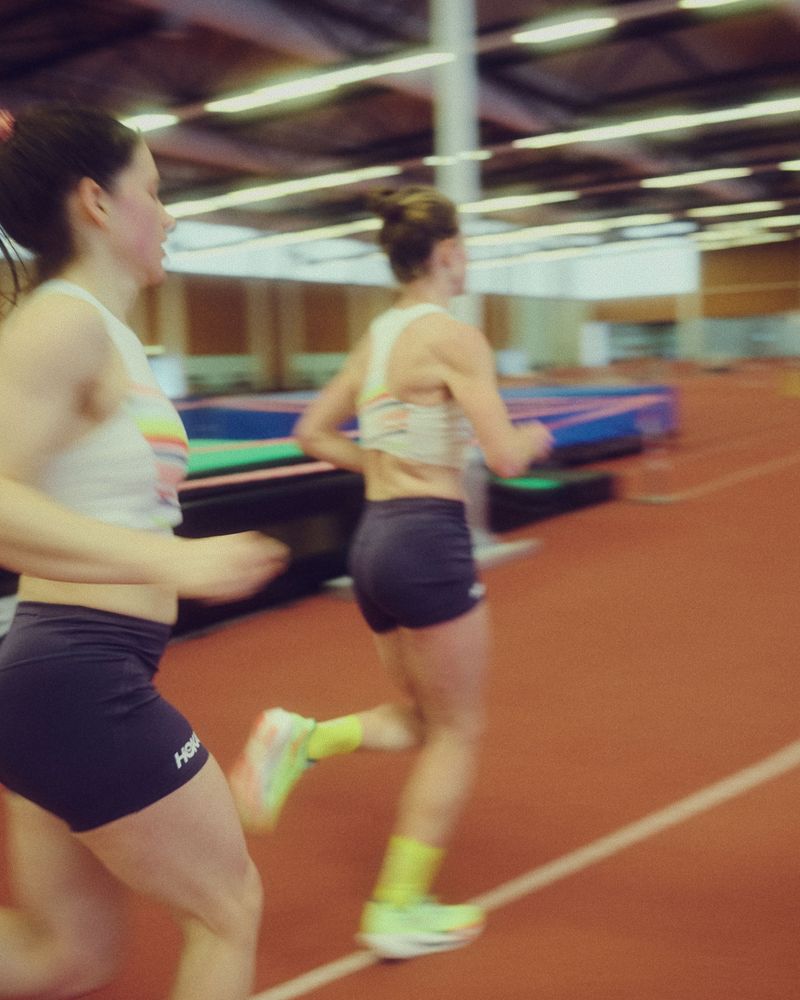
There’s a subtle mental strength in embracing what could be called a “quiet obsession” with the track. In Berlin, the Sportforum becomes more than a training ground—it turns into a space of deliberate consistency for the PB Protocol. Lap after lap, during demanding high-volume sessions, athletes practice restraint as much as effort, ensuring their stride stays fluid even when intensity rises. Over time, this repetition builds a quiet confidence: the sense that pressure can be absorbed, managed, and ultimately outpaced through flow.
Each interval carries intention, executed with calm precision, transforming a historic venue into a space for refining controlled power.
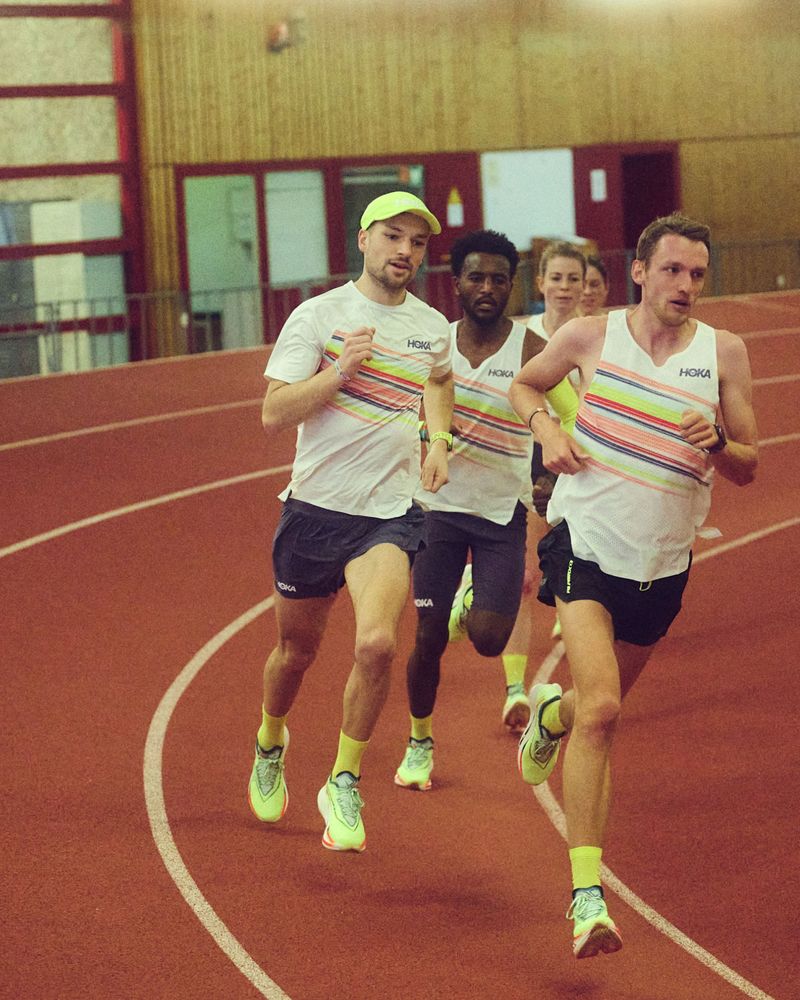
The latest session leaned into the complexity of “speed-endurance,” shifting focus away from pure explosiveness. It opened with a fifteen-minute easy phase combined with technical drills, easing the body into motion while keeping the tone relaxed. From there, the group moved into the core set designed by Coach Andy: sixteen 400-meter repetitions at 10K pace. The goal wasn’t just to complete the volume, but to master it—holding form, managing recovery, and expanding aerobic capacity without disrupting rhythm.
Efficiency lives in rhythm; the ability to stay relaxed at pace today defines composure when it matters most.
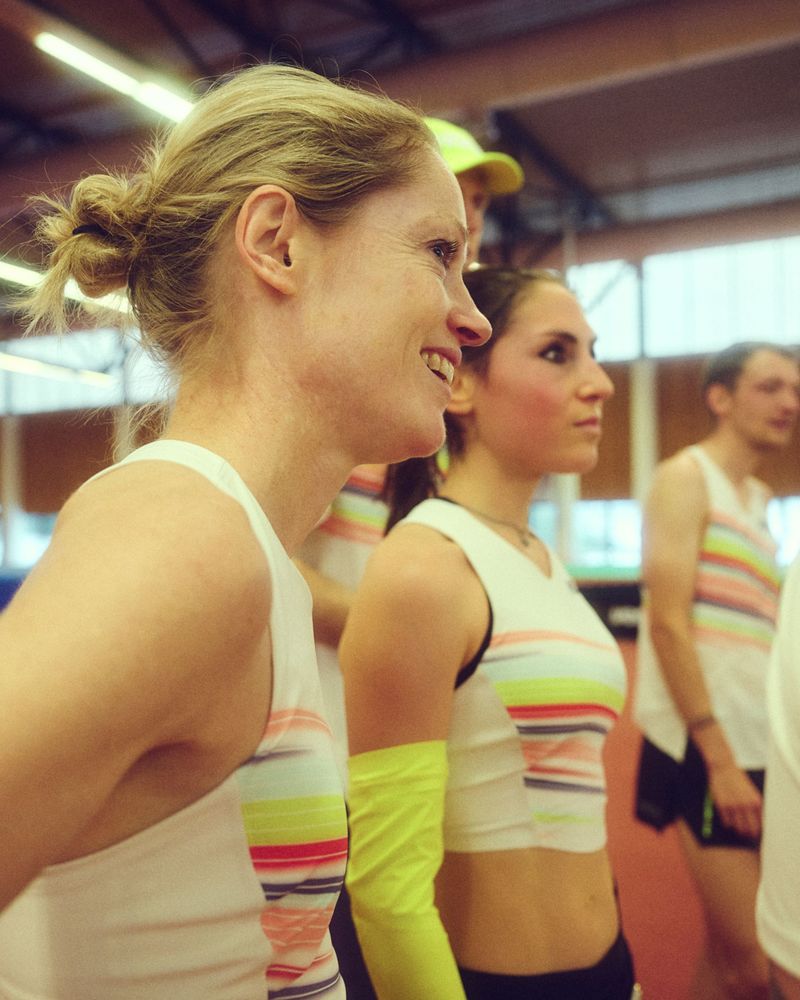
To consolidate the work, the session closed with a 1.5-kilometre threshold effort at Half Marathon pace. Designed to mirror the fatigue of late-race conditions in Paris, this final push challenged the group to maintain ease under pressure—relaxed shoulders, steady breathing, and a controlled mindset. Even as fatigue set in, the collective energy stayed high. Moving together in sync, the athletes turned repetition into momentum, each lap blending into the next through shared focus and intent.
When the body stays loose and the group moves in harmony, performance stops feeling forced—and starts feeling certain.
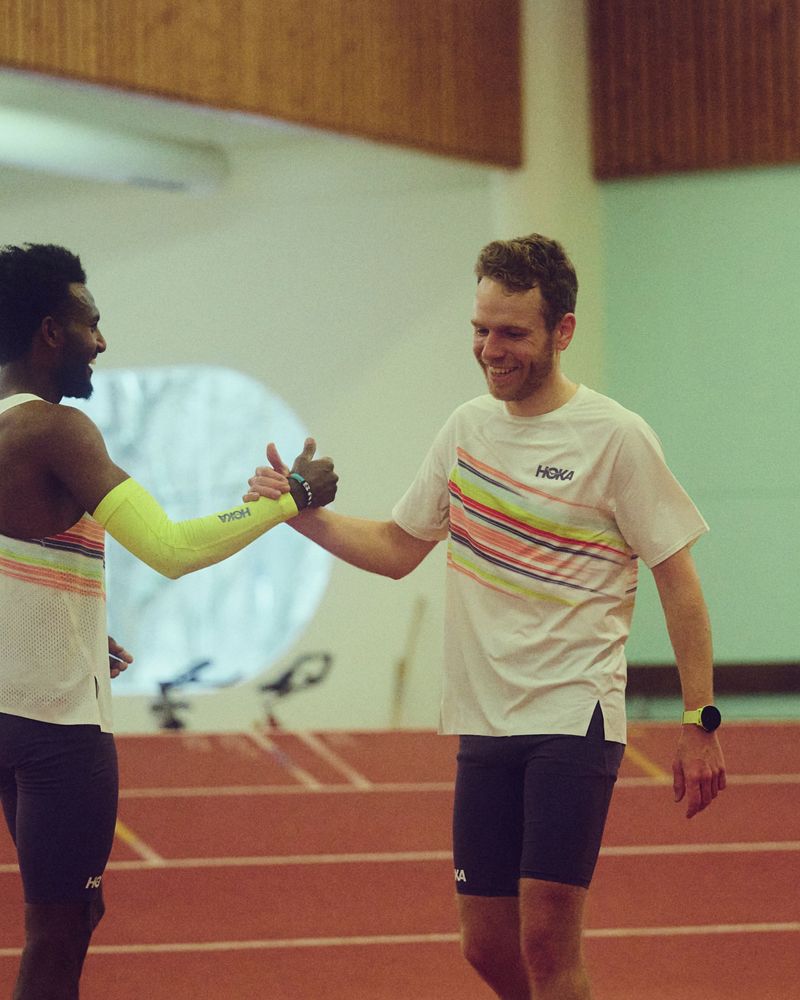
As the training came to an end, there was a shared awareness of the foundation being built. The HOKA Semi de Paris no longer feels distant or abstract—it feels rehearsed. By merging Berlin’s disciplined running culture with the natural cohesion of the crew, the team demonstrates that peak performance is not just about pushing harder, but about moving smarter—balancing intensity with ease, and precision with instinct.